Plots in Almeria - buy, sell or rent easily

Find plots by category in Almeria (Province)


Plots for sale with most wanted features
- Urban 30
- Developable 16
- Non developable 18


Latest publications of land and houses for sale in Almeria (Province)
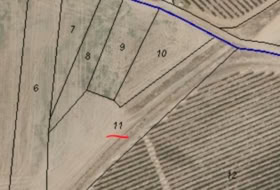


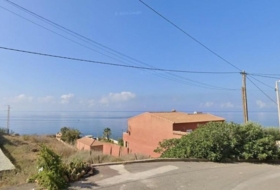


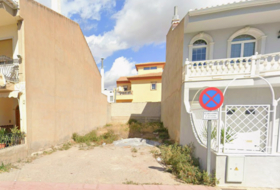
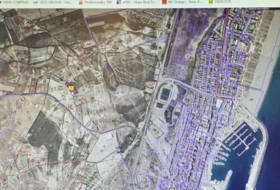


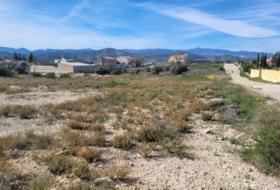
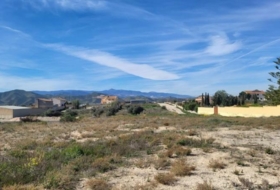
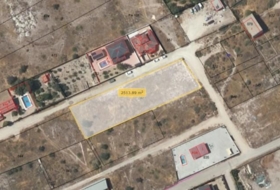
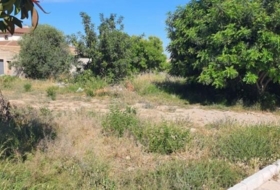
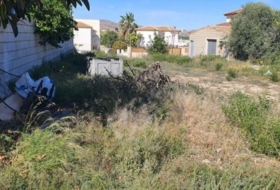
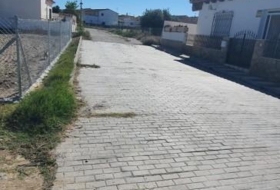

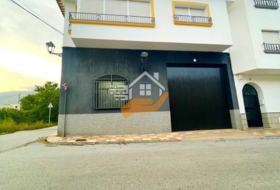
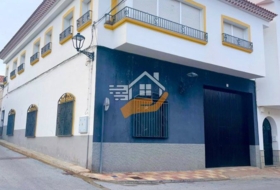
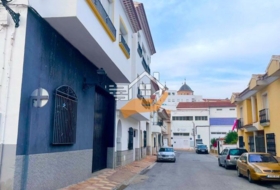
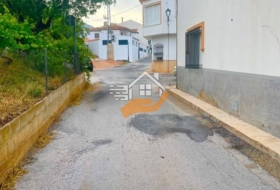
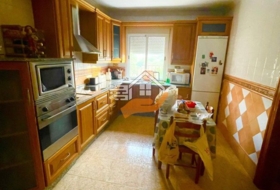
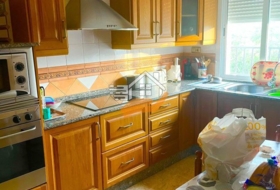
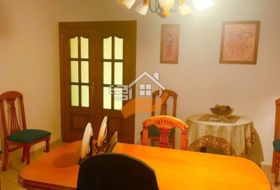
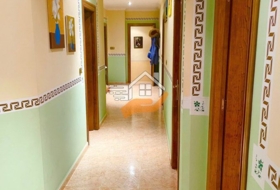
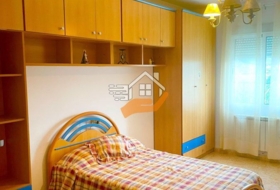

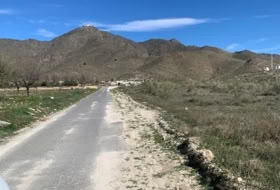
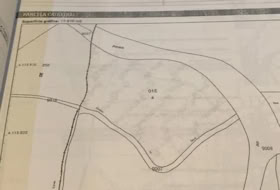
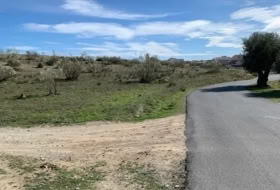
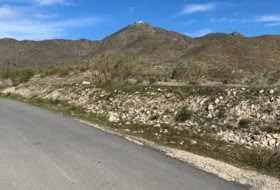
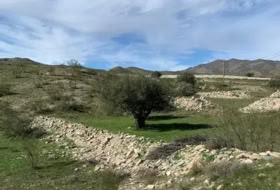
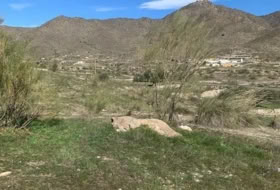
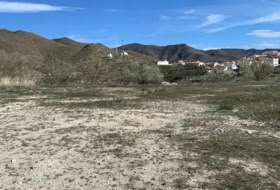
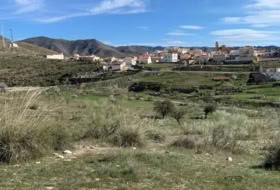
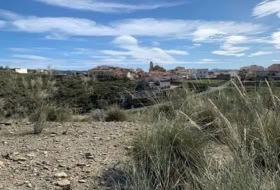
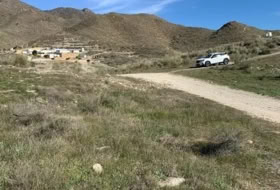
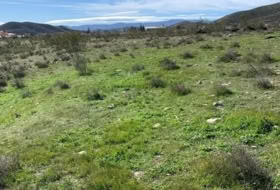
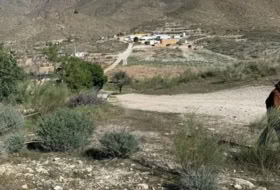
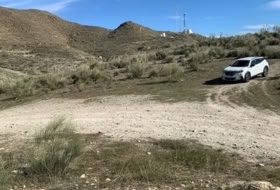
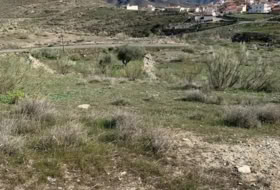
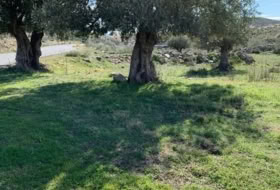


 +6
+6Where to buy land in Almería
The average value of urban land in Almería is one of the highest in Andalusia, with more than €150/m². The cheapest plots for sale in the province of Almería are in the municipalities of Sorba and Purchena with a minimum value of €0.20/m², Alcaudique with €0.30/m², Gérgal with €0.30/m², Níjar with €0.30/m², Benitagla and Benizalón with €0.40/m² and María and Partaloa with €0.60/m². Prices are higher in towns near the coast, where the population density is higher, which increases the demand for land.
In relation to the sale of rural land in the province of Almería, the situation is like that of urban plots and building plots since the presence of greenhouses has boosted the agricultural exploitation of the territory. Its value is also one of the highest in the autonomous community, due to the high degree of request it presents. For their part, the municipalities with the cheapest urban land for sale are María, Almajalejo, Níjar and El Ejido.
It is a place of great investment in urban plots, especially those for residential use located near the coast. It is also an interesting opportunity in relation to rustic farms, where intensive agriculture has become the main protagonist and one of the fundamental pillars of the economy.
High Demand Territory
The province of Almería is in the southeast of Spain. It has an area that exceeds 850,000 hectares, that is, more than 10% of the total of Andalusia. The influence of the Mediterranean Sea, which bathes its more than 200 km of coastline, generates a climate of mild temperatures and low rainfall. In fact, it is the territory that registers the lowest percentage of rainfall per year, which means that aridity is one of the main characteristics of the landscape. Its economy is based on two fundamental pillars: agriculture and the service sector, especially tourism.
Place of natural contrasts, marked by the influence of the climate
A place of contrasts that has mountain areas, desert areas and extensive agricultural areas. However, one of the great characteristics of its landscape is its aridity, caused by the weather that generates a water deficit several times a year. For this reason, the famous greenhouses entered the scene, turning it into the "garden of Spain" or the well-known "sea of plastic".
Almería, with more than 650,000 hectares of rustic land, has a marked agricultural tradition. In fact, the cultivated lands have an area that exceeds 230,000 hectares, that is, almost 30% of the total of the province. The most important products are fruit trees, vegetables, olive groves, citrus fruits, and cereals.
The forest land also has a wide extension, occupying more than 20% of the total of Almería. In it, the timber mount is more important, followed by the woody and the open. For their part, meadows and pastures occupy more than 40,000 hectares.
South and southeast of the province, epicentre of urban and developable land
In the south and southeast, the largest areas of urban and developable land are grouped, especially the municipalities of Almería, El Ejido and Roquetas de Mar. In its entirety, the urban land occupies more than 25,000 hectares, while the developable plots exceed 15,000. hectares. The territory for residential use covers more than 8,000 hectares and is also concentrated in these three localities, where the population density is higher compared to the rest of the province.
An industry with a shortage of supply and undeveloped
The pillars of the Almeria economy are the service sector, especially tourism, and agriculture. For this reason, the most important industry is food, followed by the extraction of marble and natural stone. In recent years, the industry of Almería has been affected, having to close several of the most important companies installed in its territory. It should also be noted that it is one of the provinces with the smallest area of industrial land in Spain.
Almería, synonymous with agriculture and tourism
Almería is one of the most developed Spanish provinces at an agricultural level, where intensive cultivation has grown in recent years. Its large volume of production has made it the "orchard of Spain", bathed in a "sea of plastic" that has become famous throughout the world for the quality of its crops.